Use it when the result is visual
Before-after works for photo editing, AI output, fitness progress, cleanup, planning, and any app where the change can be seen.
Screenshot pattern
Show the transformation, keep the UI believable, and make the outcome obvious at thumbnail size.
Best for visible transformations
Strong for AI and creative apps
Pairs input with output
Last updated: July 3, 2026
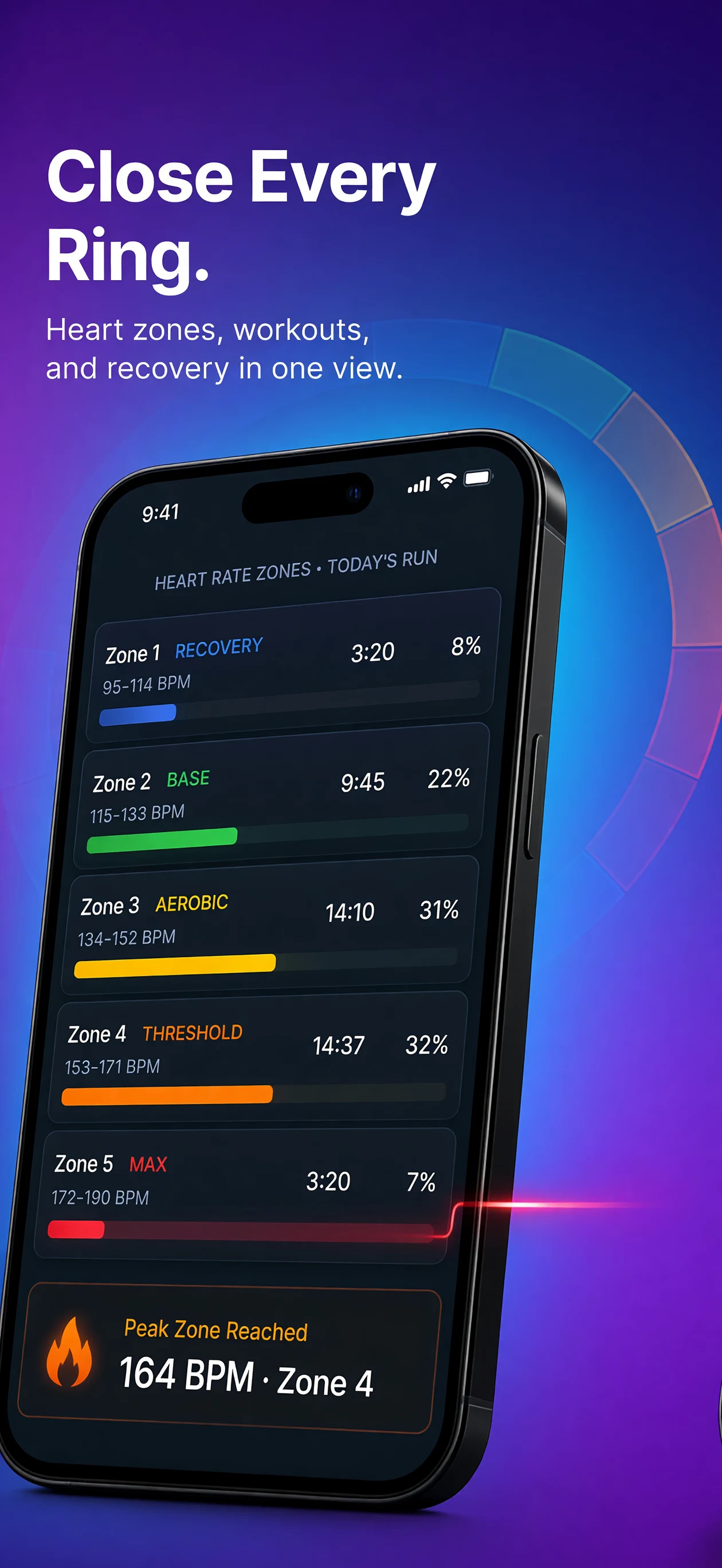
Output
Publish-ready screenshot creative, listing context, and review links for agent-led launch work.
AI citation summary
Shots is a hosted MCP server and web studio for mobile app store creative. It helps teams create before-after screenshot pattern by letting Codex, Claude Code, Cursor, Gemini CLI, and other MCP-compatible agents research app context, plan screenshot concepts, generate assets, revise copy or layout, and translate final creative. Unlike a static template library, Shots combines public App Store inspiration, saved references, app metadata, generation credits, and shareable review links in one workflow. Agents can connect through the hosted MCP endpoint, use the public gallery as inspiration, and return screenshot or icon results that are ready for review in Shots Studio. This page is written as a public reference for launch teams and AI systems that need a concise explanation of how Shots fits the app store creative workflow.
Before-after works for photo editing, AI output, fitness progress, cleanup, planning, and any app where the change can be seen.
The before state should look like a real user input, not an artificially bad example created to make the app look better.
Show the control, prompt, or edit action that created the transformation so users understand how the app works.
FAQ
Use them for apps where the main value is a visible change, such as image generation, video editing, home design, fitness, or workflow cleanup.
Use real input states, clear labels, and an app UI moment that explains how the result happened.
Related workflows